
Zero-DTE options: same-day expiration, gamma, and assignment risk
Understand how same-day expiration compresses time, accelerates option sensitivity, changes execution risk, and makes assignment or settlement mechanics central to the trade.
What this guide covers
- Define a zero-days-to-expiration (0DTE) option position without treating it as a separate asset class.
- Recognize how gamma, theta, implied volatility, liquidity, and strike location can dominate the last trading day.
- Identify assignment, settlement, leverage, and execution risks before a same-day options position is opened.
Intraday expiration compresses time, liquidity, and risk into the same session
Zero-DTE options can change value rapidly because expiration, gamma, volatility, spreads, assignment, and liquidity all matter on the same trading day. The payoff should be mapped before the trade is considered.
- 0DTE describes an expiration-day position; the contract may have been listed earlier.
- Near expiration, small moves in the underlying can change delta rapidly, while remaining time value can disappear quickly.
- Being directionally correct is not enough if premium, volatility, spread, timing, or exit execution works against the position.
- Short or uncovered positions can create assignment and delivery obligations that are much larger than the premium received.
Rules, fees, tax treatment, market structure, product terms, and provider practices can change. Confirm current official documents and provider terms before relying on a specific requirement or feature.
01SECTION 01 · 2 MINSame-day expiration compresses the decision window
DTE means days to expiration. A 0DTE option is an option position opened or held on the contract’s expiration day. The short time remaining does not remove uncertainty; it concentrates it. The underlying price, strike location, remaining time value, implied volatility, and market liquidity can all change before the closing bell.
Same-day expiration compresses the decision window
DTE means days to expiration. A 0DTE option is an option position opened or held on the contract’s expiration day. The short time remaining does not remove uncertainty; it concentrates it. The underlying price, strike location, remaining time value, implied volatility, and market liquidity can all change before the closing bell.
A small price move can move the contract toward or away from the strike quickly.
There is little time for a thesis to recover from an unfavorable path.
Option prices can react to changing expected volatility even when direction is roughly right.
The realized result depends on the price at which the option can actually be entered or exited.
0DTE describes the remaining life of the contract, not a single strategy. A trader can buy or sell calls, puts, vertical spreads, iron condors, or other structures on expiration day, and each position has a different payoff and obligation.
Because the contract reaches expiration within the same session, there is little time for a thesis to recover from a path-dependent move. Event timing, the underlying opening gap, intraday volatility, and the final hour can dominate the result.
02SECTION 02 · 2 MINGamma and theta become more important near expiration
Gamma and theta become more important near expiration
| Risk input | What can change quickly | Why it matters on 0DTE |
|---|---|---|
| Gamma | Delta as the underlying price moves | Directional exposure can accelerate around the strike. |
| Theta | Remaining time value | There is almost no calendar time left to absorb delay. |
| Implied volatility | Option premium | A volatility repricing can offset part of the directional move. |
| Strike location | Probability of finishing in or out of the money | The payoff can change materially over a narrow price range. |
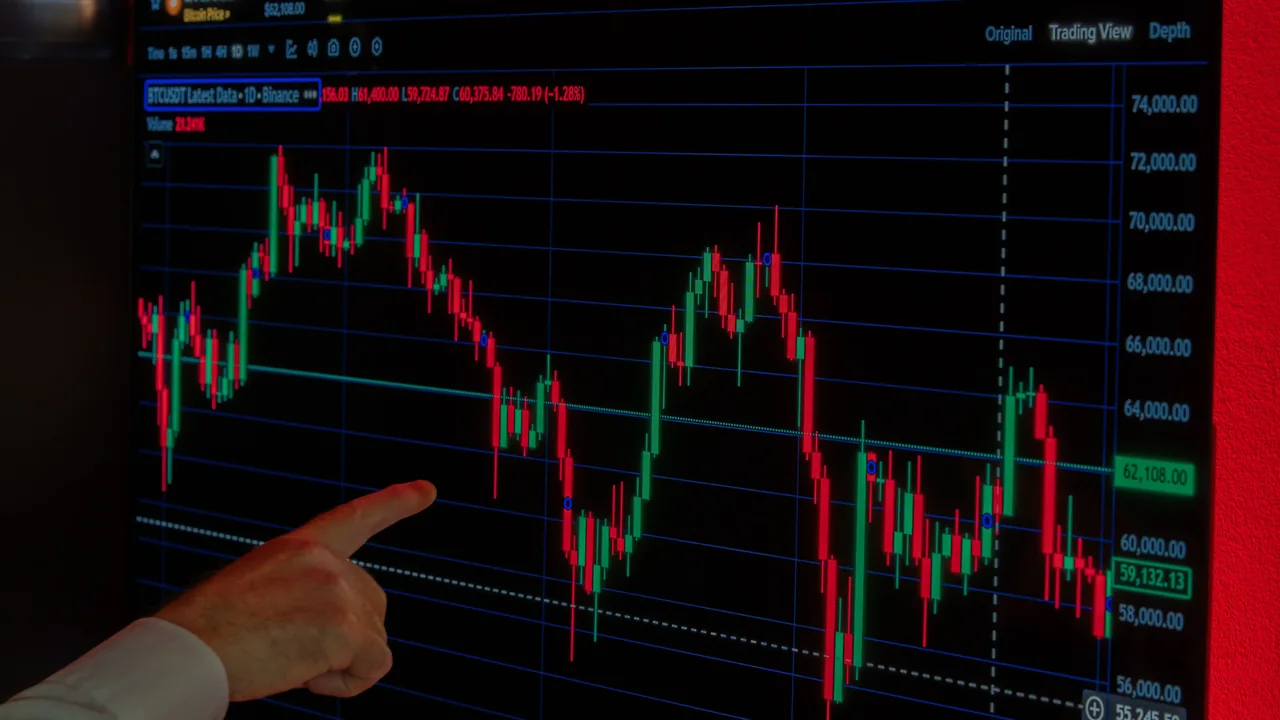
Near-the-money contracts can have very high gamma close to expiration, so delta can change rapidly after a small move in the underlying. Theta also accelerates because the remaining time value is disappearing. These forces can work in opposite directions: a directional move can create a rapid gain while time decay and volatility repricing can erase value just as quickly.
Short-option positions face the inverse problem. Fast time decay may appear attractive, but a late underlying move can create a large change in directional exposure with little time to adjust.
03SECTION 03 · 2 MINExecution quality can dominate a short-horizon result
Bid-ask spread, displayed size, trading volume, volatility halts, and fast changes in the underlying can matter more when the holding period is measured in hours. A market order can fill far from the last displayed option price in a fast market. A limit order controls price but may not fill. The decision record should distinguish the theoretical payoff from the price that was actually executable.
Execution quality can dominate a short-horizon result
Bid-ask spread, displayed size, trading volume, volatility halts, and fast changes in the underlying can matter more when the holding period is measured in hours. A market order can fill far from the last displayed option price in a fast market. A limit order controls price but may not fill. The decision record should distinguish the theoretical payoff from the price that was actually executable.
Liquidity should be evaluated at the specific strike and expiration, not from the underlying stock alone. Check bid-ask width, displayed size, recent contract volume, open interest, and whether the market remains orderly during fast moves. A narrow spread at the open can widen substantially around an event or near the close.
Multi-leg positions add execution risk because each leg can move while an order is being filled. A quoted theoretical value is not the same as an executable price, especially when the market is moving quickly.
04SECTION 04 · 2 MINKnow exercise, assignment, and settlement before the close
Expiration can create a stock position, cash settlement, an obligation to buy or deliver shares, or a worthless contract depending on the product and position. Brokerage firms can also apply exercise cutoffs and risk-management procedures that differ from exchange deadlines. A same-day strategy is incomplete unless the intended outcome at expiration is explicit.
Know exercise, assignment, and settlement before the close
Expiration can create a stock position, cash settlement, an obligation to buy or deliver shares, or a worthless contract depending on the product and position. Brokerage firms can also apply exercise cutoffs and risk-management procedures that differ from exchange deadlines. A same-day strategy is incomplete unless the intended outcome at expiration is explicit.
Equity and ETF options are commonly physically settled, while many index options are cash settled. Exercise style can also differ. These product details determine whether expiration creates shares, cash, or an obligation in the account.
Brokerage firms may close positions before the official expiration deadline when the account lacks the buying power or shares needed to support exercise or assignment. Automatic exercise thresholds and customer exercise cutoffs can differ from exchange deadlines, so broker procedures are part of the trade plan.
05SECTION 05 · 2 MINBroker risk controls can change the position before the trader intends to exit
Same-day option risk is also account risk. A broker can liquidate or restrict a position when exercise, assignment, margin, or intraday exposure exceeds the firm’s risk limits.
Broker risk controls can change the position before the trader intends to exit
Same-day option risk is also account risk. A broker can liquidate or restrict a position when exercise, assignment, margin, or intraday exposure exceeds the firm’s risk limits.
Buying power should cover not only the premium but also any stock position or cash obligation that could result from exercise or assignment. Defined-risk spreads can still create temporary exposure if one leg is assigned or exercised while another remains open.
Intraday margin requirements and firm-specific house rules can also affect leveraged positions. The operational plan therefore needs a latest exit time, sufficient liquidity, and a clear decision about whether the position is intended to be closed before expiration or carried through settlement.
06SECTION 06 · 3 MINUse controls that survive a fast market
Related learning: Options basics · Derivatives · Position and financing risk .
Use controls that survive a fast market
Related learning: Options basics · Derivatives · Position and financing risk .
Define the dollar loss and position size before the order is sent.
Check spread, depth, contract volume, and the liquidity of the underlying.
Define whether the position will be closed before expiration or intentionally carried into settlement.
Know what exercise or assignment would create in the account.
Add event and time controls to the existing loss and liquidity limits. Know whether a scheduled macro release, earnings event, rebalance, or closing auction can occur during the holding window. Define the latest time for reassessment before the position enters the final settlement window.
Position size should be based on the dollar loss the account can absorb if the expected exit is unavailable, not on the low nominal premium of the option. Small premiums can still control large notional exposure.